


CMYK Printing Explained – The Process, Benefits & Alternatives
Since printing technology was first established, many techniques have been developed in search for a versatile and efficient method. Whether they’re used for Print companies like Monarch Print, art, or newspapers, print technology is ever evolving. These developments have led to an increase in printing efficiency, colour advancement and making printing easier. Read on to learn more.
What is Four Colour (CMYK) Printing ?
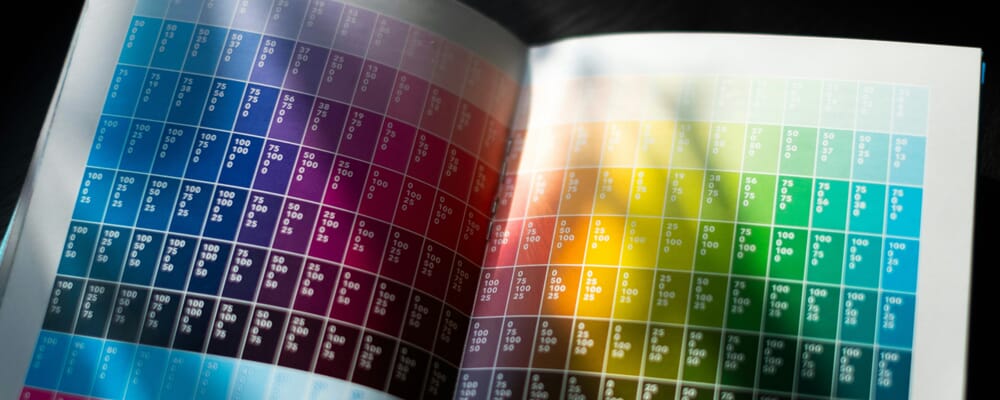
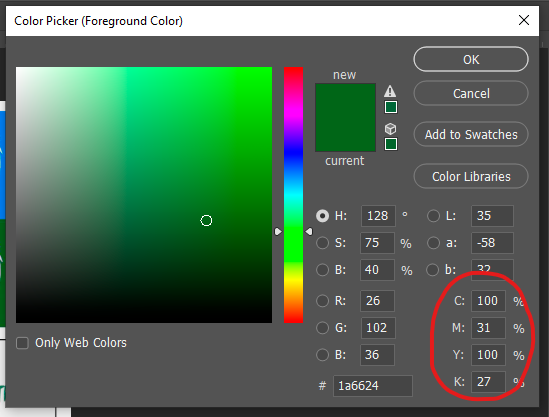
If you are printing onto a matte surface, like tote bag, you are likely to use a four colour printing process. It is a method used for printing full-colour images without having to mix specific inks. The most commonly used model of this, and the method we use at Monarch Print, is CMYK printing. CMYK stands for the four colours used in the printing process: Cyan, Magenta, Yellow and Key (black). By layering these colours onto of each other you can create almost any colour in the spectrum. Like RGB colour, each colour is assigned a value between 0 – 100. Different combinations will create different colours.
What are the advantages of CMYK printing?
Processes such as screen printing are alternatives to CMYK printing within the print industry, however, CMYK is very versatile across multiple avenues.
In your standard consumer printer, CMYK printing is accomplished with four plugged in cartridges. Each cartridge is filled with one of the four colours and can be easily replaced or replenished when empty. This is same principle for laser printers. You have four toner cartridges that carry one of each of the colours. The colours are layered in combination to great any or all the necessary colours within the printed image. They are cost-effective and can be run for a long time with the help of the replacement cartridges and toners.
Alternatives to CMYK printing?
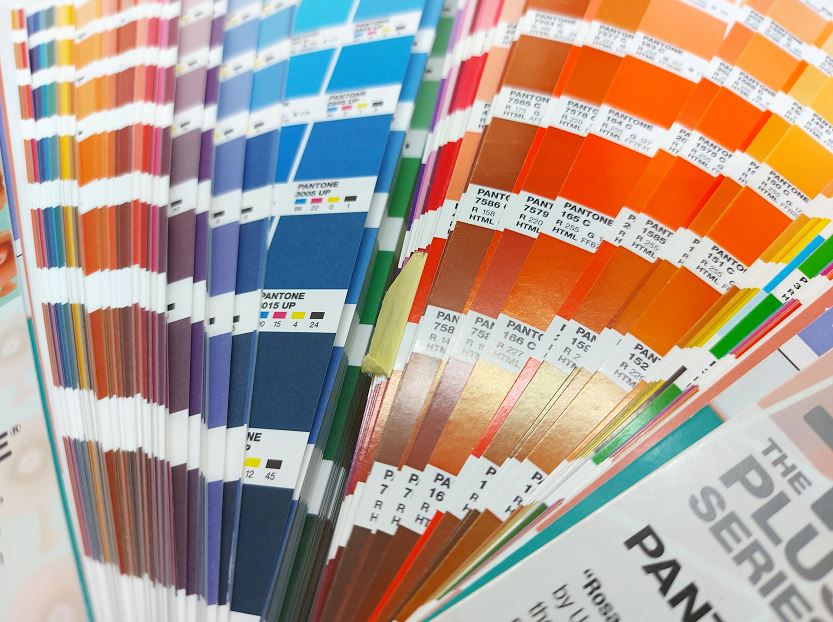
PMS, or Pantone Matching System, is a colour scheme where each colour is assigned its own unique value. While this scheme does avoid the risk of blurring or colour deviation, the downside is that it requires more expensive inks that need to be mixed especially for each job. They are also not compatible with all surfaces for printing.
Spot Printing produces pre-mixed colours instead of combining different layers of Cyan, Magenta, Yellow and Black. The spectrum of colours available is much more limited. However, the results are more consistent. While CMYK printing combines its colours for each page, Spot printing always produces the same colours as mixing is done before hand.
How CMYK Printing works
CMYK printing is what is called a subtractive printing process as it subtracts brightness from the printing surface. It covers up light colours, the a white paper base, with darker ink. Most printer apply the colours in order; first Cyan, then Magenta, then Yellow and finally Black, however, in most modern printers this is done so quickly there are barely seconds between each layer being printed.

An interesting example of this layering can be found in promotional posters from the 80s. As the ink ages and fades, each layer of ink is weathered away by exposure to the sun and the elements. First to fade is black, then yellow, then magenta, until finally the posters are permeated by a light blue. Since the cyan ink was applied first in the creation of these posters, it is the last one to fade away once the other colours are gone.